Tampere Passenger Railway Yard
Multidisciplinary design data in one shared environment – Vektor.io streamlines the renewal of Tampere Passenger Railway Yard
27.4.2026
In a historic construction project, the Tampere passenger railway yard will be completely modernized. Up-to-date and easily shareable information is at the heart of this monumental project’s success.
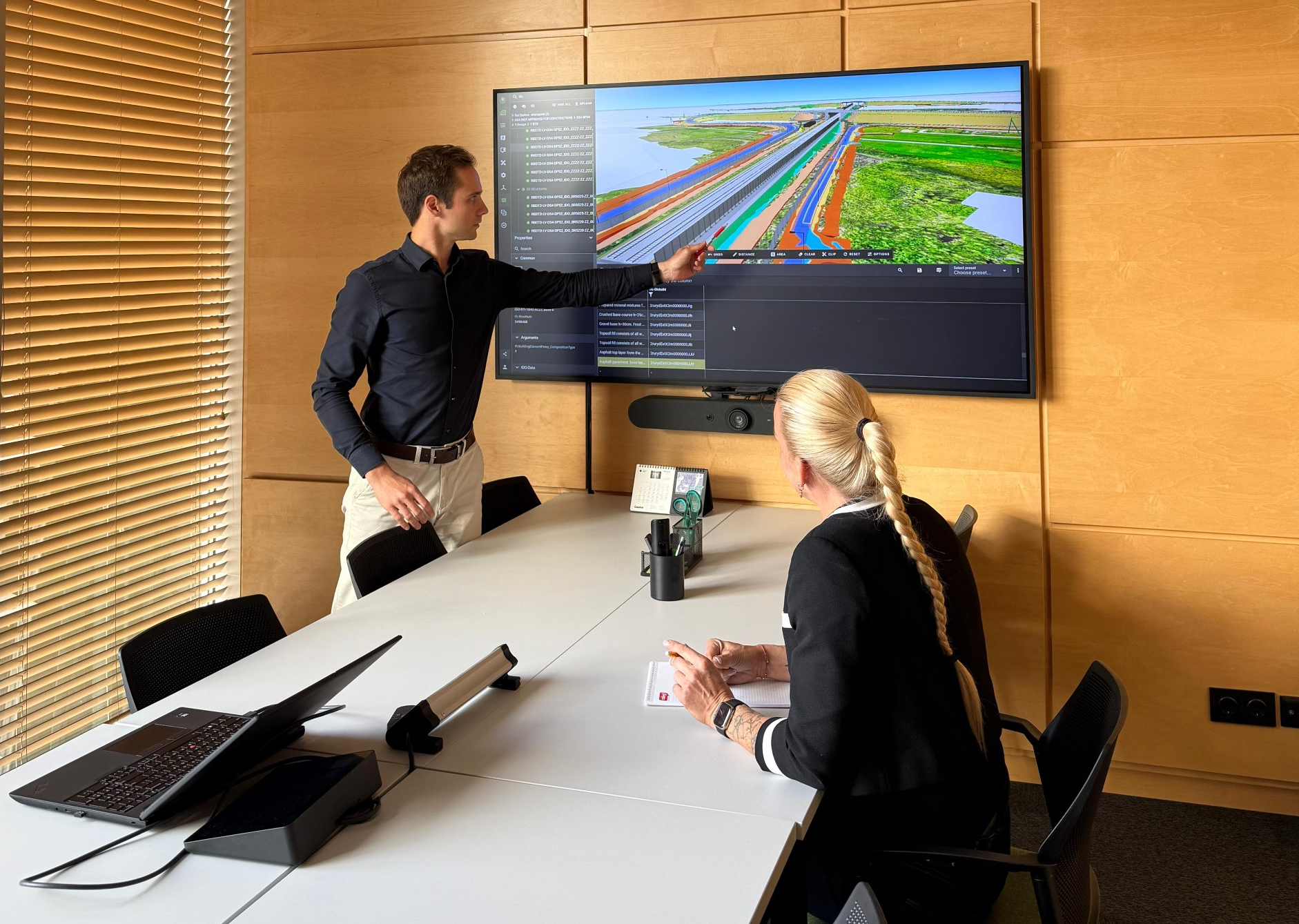
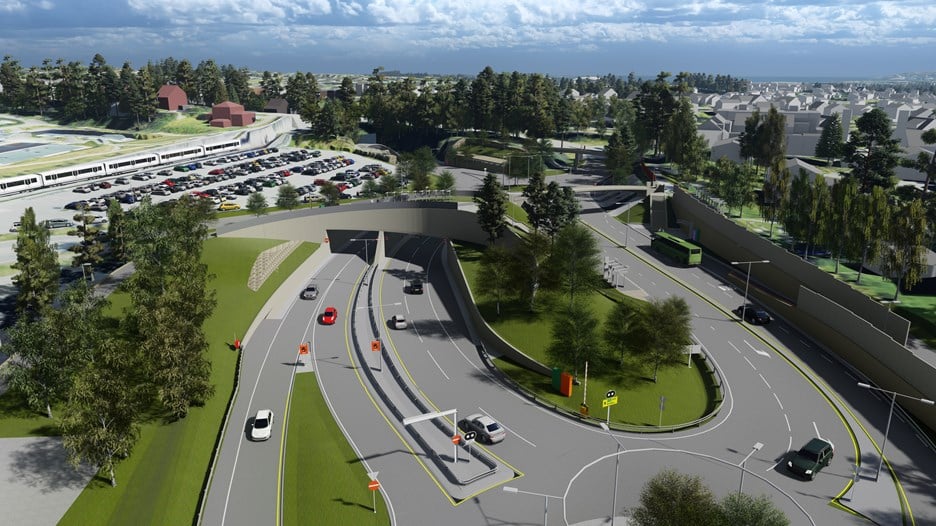
Vektor.io’s software solution brings together reference data and extensive design data for the Tampere passenger railway yard renewal in one shared environment. This alliance project covers both infrastructure and building construction. The scope includes replacing demanding bridge structures, building a modern travel terminal, and expanding yard capacity through new tracks and sheltered platforms.
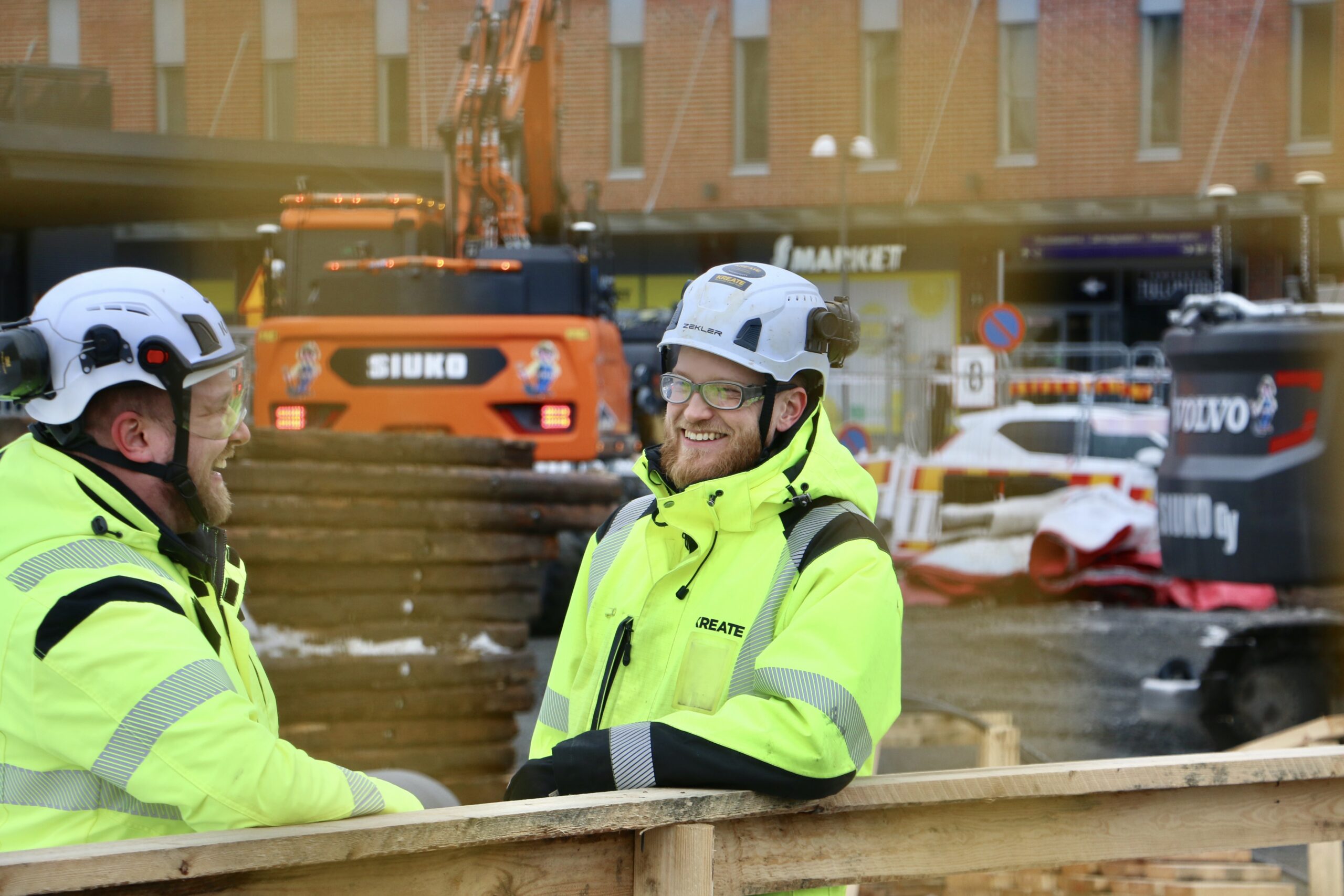
In this alliance project, professionals from various fields collaborate closely. The shared data provides a unified situational overview for everyone involved, which reduces overlapping work and accelerates decision-making.“We wanted this vast amount of data to be easily shareable and always up-to-date for all design disciplines and implementation parties. We chose Vektor.io as our software partner for the project, as we have found their software solution very smooth to use,” summarizes Aki Kopra, Design Manager at Kreate, the construction partner of the project.
A historic project to streamline rail traffic across Finland
The renewal of the Tampere passenger railway yard is historic in its impact. The project will improve accessibility around the station area and streamline rail traffic throughout Finland. Construction takes place in a dense urban environment at a hub for all modes of transport running through the heart of Tampere on a north-south axis.
The project’s total budget is 232 million euros.
A modern and more accessible station area serves both the residents of the growing city of Tampere and the numerous passengers transferring between trains or modes of transport at this expanding urban hub.
The other party of the alliance agreement is the Finnish Transport Infrastructure Agency (Väylävirasto).“The Tampere passenger railway yard project is one of the most significant investments for the Finnish Transport Infrastructure Agency in this decade. It is a large and extensive undertaking that enables increasing the number of rail passengers and creates the conditions for the City of Tampere to further develop the area after the project’s completion,” says Tapani Läärä, Project Engineer at the Finnish Transport Infrastructure Agency.
Agile combination of diverse data enables a deeper understanding of the project
The first construction phase began in April 2025, and the entire project is scheduled for completion in early 2031. Throughout the long and extensive project, vast amounts of information are generated and archived
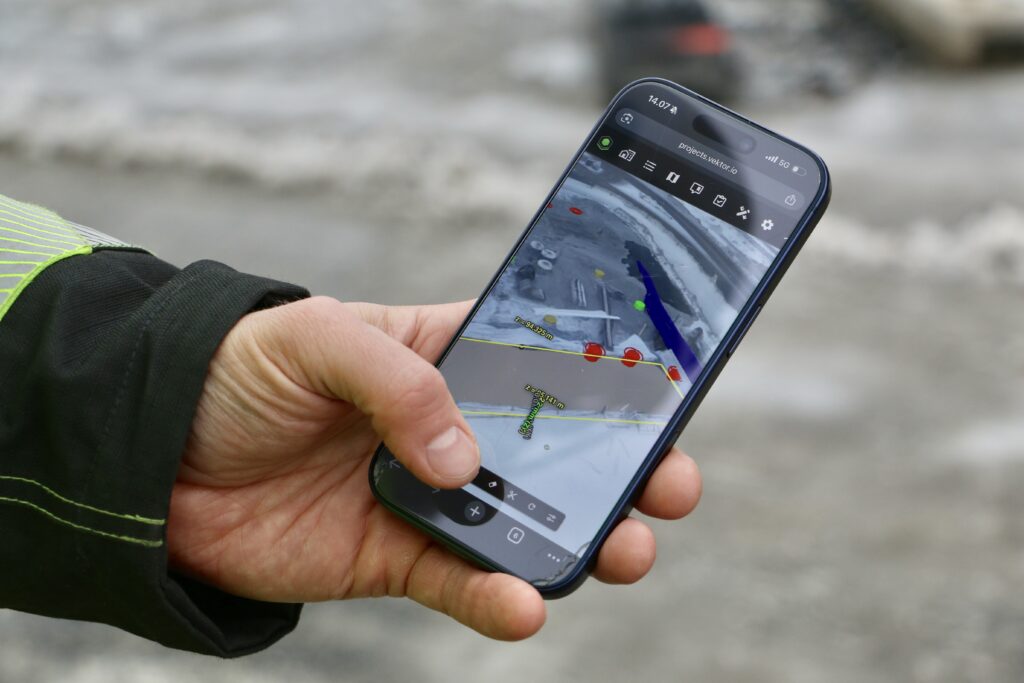
“The project also involves extensive and diverse reference data related to the station area and its surroundings, which is compared with up-to-date design data as well as laser scanning and drone imagery. When different design disciplines come together already at the design stage and data is reviewed in one shared environment, we can avoid problems in later production phases,” Kopra explains.
The extensive data library will also continue to serve the project after completion.
“Once the project is completed, the entire data collection will form a digital twin of the area. In the future, it will serve as reference data for the further development of the area, supporting future developers and generations to come,” Kopra concludes.
Tampere Passenger Railway Yard – additional project information
The renewal of the Tampere Passenger Railway Yard is being delivered under an alliance contract between Kreate and the Finnish Transport Infrastructure Agency. Other parties involved in the project through separate agreements include the City of Tampere, VR Group Plc, and Fintraffic Rail Ltd.
See how Vektor.io is used in the Tampere Passenger Railway Yard project
In the video below, project stakeholders explain how design materials from multiple disciplines are brought together in one environment and how up-to-date information supports collaboration throughout the project.